The protein conversation has a price problem. The loudest advice is often built around fresh meat, salmon, Greek yogurt, and powder. Those are useful foods, but they are not the only ones, and they are not always the best value. If you are feeding yourself on a normal budget, the more interesting question is: which protein foods give you the most nutrition per unit of money and effort?
The answer is not a single food. It is a short list of ingredients that are cheap, versatile, and easy to keep on hand. Some are animal foods. Some are plant foods. The best mix depends on what you like, what you can store, and how much time you have.
Eggs
Eggs are one of the most efficient protein foods in the supermarket. They are affordable, quick to cook, and useful at every meal. One large egg has about six grams of protein, plus fat, choline, and a range of micronutrients. The cholesterol story is more nuanced than the old warnings suggested; for most people, dietary cholesterol has a modest effect on blood cholesterol, and the overall diet matters more.
The practical advantage of eggs is their flexibility. Boil a batch for the week. Fry one to top a bowl of rice and vegetables. Make a frittata with leftover vegetables. Use them to turn a starch-heavy meal into something more satisfying. If you are worried about cost, compare the price per gram of protein rather than the price per egg.
Dairy
Plain yogurt, cottage cheese, and milk are strong value in many markets. They provide protein, calcium, and often iodine. Plain yogurt is more versatile than flavored yogurt and usually has less added sugar. Cottage cheese is high in protein and works in both savory and sweet dishes, even if it has an image problem.
If you tolerate dairy, a large tub of plain yogurt is one of the best convenience foods you can buy. Use it as a base for breakfast, a sauce for vegetables, or a topping for soup. Add your own fruit, nuts, and seeds. You will usually spend less and get more protein than with a small flavored pot.
Beans and lentils
Dried beans and lentils are among the cheapest sources of protein and fiber available. They are also shelf-stable, which makes them useful in a week when plans change. Canned beans cost more but save time; both are worth having.
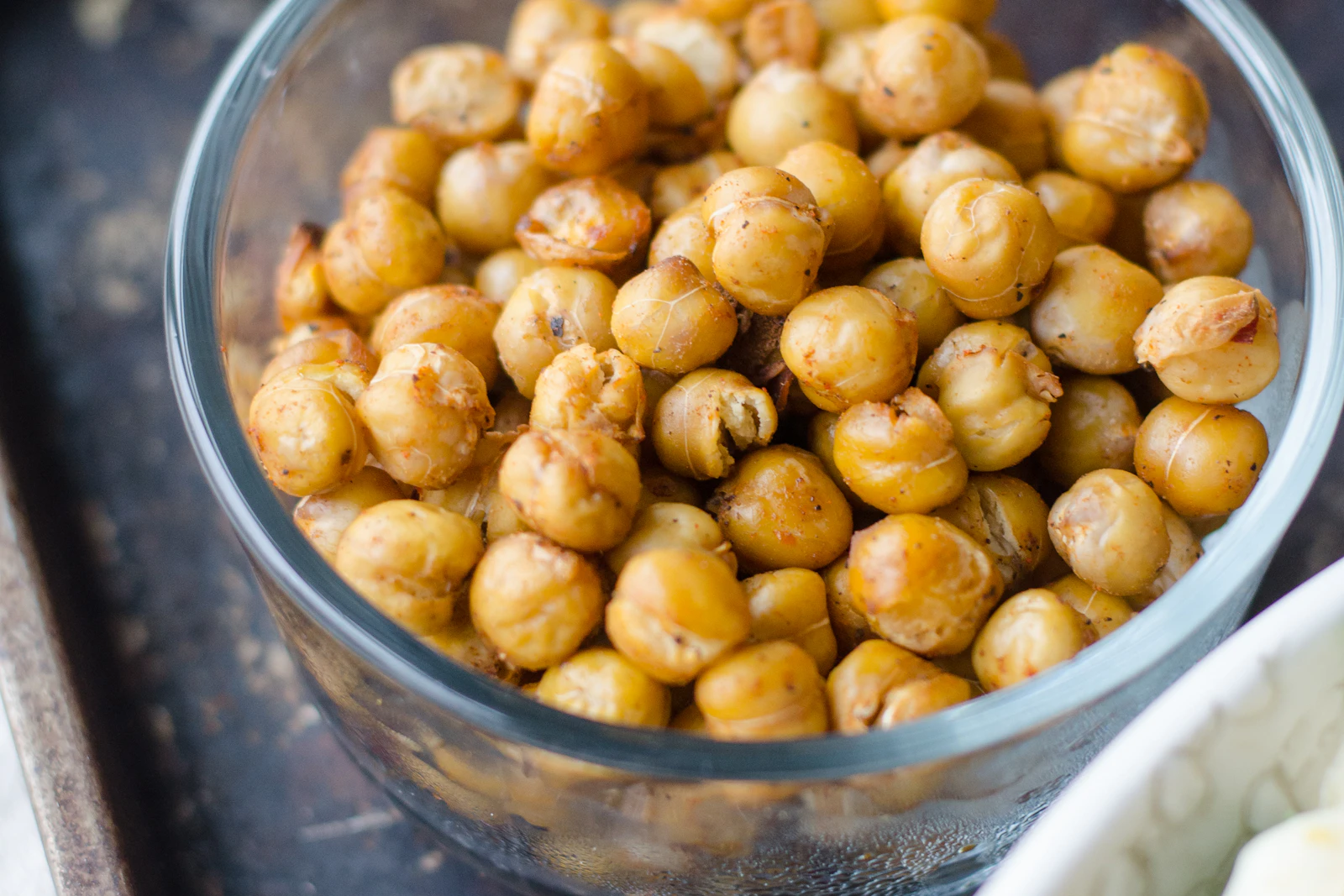
Lentils are the easiest starting point. They cook relatively quickly, do not need soaking, and work in soups, stews, salads, and pasta sauces. Chickpeas and black beans are useful for bowls, wraps, and curries. If you are new to cooking dried beans, start with lentils and canned beans, then move to dried beans when you have a rhythm.
The protein content is lower per gram than meat, but the package includes fiber, potassium, and slow-digesting carbohydrate. That combination is why beans are so filling. For a plant-based meal, pair them with a whole grain and a source of vitamin C to support iron absorption. Our guide to plant-based iron explains the details.
Tofu and tempeh
Tofu is cheap in many Asian markets and increasingly common elsewhere. It is bland on its own, which is a feature: it takes on the flavor of what you cook it with. Firm tofu is best for stir-fries and grills; silken tofu is useful for soups and sauces. Tempeh is denser and nuttier, with more protein per gram, but it costs more in some places.
The key to tofu is to dry it, season it, and give it enough heat to brown. If you have only had bland, watery tofu, the problem was probably the cooking, not the food. A block of tofu plus rice and frozen vegetables is a complete meal for very little money.
Canned fish
Canned tuna, sardines, mackerel, and salmon are often cheaper than fresh fish and require no cooking. They are also a source of omega-3 fatty acids, especially the oily fish. Sardines and mackerel are usually the best value, and they are lower in mercury than large predatory fish.
The downside is sodium and texture. Rinse canned tuna if you are watching salt, and choose fish packed in water or olive oil rather than heavy sauces. Canned fish is not a replacement for fresh fish in every dish, but it is a useful pantry protein for pasta, rice bowls, toast, and salads.
The cheaper cuts
If you eat meat, the cheapest cuts are often the ones that need slow cooking: chicken thighs, pork shoulder, beef chuck, and whole chickens. They take longer, but they reward that time with flavor and moisture. A whole chicken can become a roast dinner, sandwiches, soup, and stock. That is a lot of meals from one purchase.
Ground meat is another value option, especially when stretched with beans, lentils, or vegetables. A smaller amount of meat in a larger dish can be more satisfying than a large portion on its own. This is not about tricking anyone. It is about making the expensive ingredient go further.
What about protein powder?
Protein powder is convenient, but it is not cheap per gram of protein compared with eggs, milk, beans, or canned fish. It is useful when you cannot eat enough protein from food, when you need a quick option after training, or when a medical condition makes it hard to meet your needs. For most people, it is a supplement, not a staple.
If you buy it, compare the price per gram of protein and ignore the marketing claims. A plain whey or plant blend is usually enough. You do not need a formula with a long list of extras.
A realistic shopping list
A cheap protein basket might include eggs, plain yogurt, milk, lentils, canned beans, tofu, canned sardines or tuna, chicken thighs, and frozen vegetables. That is not a complete diet, but it is a strong base. Add rice, oats, potatoes, seasonal vegetables, and fruit, and you have the makings of many meals.
The best protein food is the one you will actually cook and eat. A bag of lentils that sits in the cupboard for a year is not saving you money. A dozen eggs you use in three days is. Buy the foods that fit your real routine, not the routine you wish you had.
FAQ
Is plant protein as good as animal protein?
For most people, total protein intake matters more than the source. Plant proteins are lower in some essential amino acids, but a varied diet with beans, grains, nuts, and seeds covers the gap. If you are plant-based, eat enough total protein and include a variety of sources.
Are eggs bad for cholesterol?
For most people, dietary cholesterol has a modest effect on blood cholesterol. The bigger influences are saturated fat, overall diet pattern, and genetics. If you have a specific medical condition, ask your clinician or dietitian.
Is canned fish healthy?
Yes, especially oily fish such as sardines and mackerel. It is a convenient source of protein and omega-3 fatty acids. Watch the sodium if you are sensitive, and choose options packed in water or olive oil rather than heavy sauces.
What is the cheapest protein per gram?
It varies by market and season, but eggs, milk, lentils, beans, and tofu are often among the best value. Canned fish and chicken thighs can also be affordable. Compare price per gram of protein, not price per package.
Sources
If you want to turn these ingredients into a weekday routine, read meal prep that stays safe until Friday. For a breakfast that uses the same logic, see a protein-forward breakfast.