Meal prep has a simple promise: cook once, eat well for a few days. The promise is real, but it comes with a condition. Food that sits in the refrigerator for five days is not automatically safe because it was cooked on Sunday. The way you cool, store, and reheat it decides whether Thursday’s lunch is a bargain or a gamble.
This is not a reason to avoid meal prep. It is a reason to do it with a few rules. Most of them take seconds, and they make the difference between a routine that works and one that quietly makes you sick.
The two-hour rule
Bacteria multiply fastest between 4°C and 60°C, the range food-safety experts call the danger zone. The practical rule is to keep food out of that range as much as possible. Cooked food should not sit at room temperature for more than two hours. If the room is hot, the window is shorter.
That means the pot of chili on the stove is not a safe place to leave it overnight. It also means a container of rice left on the counter while you eat dinner should go into the refrigerator soon after. The two-hour rule is not about perfection. It is about not giving bacteria a long, warm invitation.
Cool first, but not for hours
Putting a large pot of hot food directly into the refrigerator can raise the temperature inside and slow cooling for everything else. The usual advice is to divide the food into shallow containers, leave it uncovered for a short time to release steam, and then refrigerate. Do not leave it out for hours to “cool completely.” A shallow container cools faster than a deep pot.
If you are cooling a large batch, use an ice bath or spread the food across several containers. The goal is to get it below 4°C as quickly as practical. A food thermometer is useful here, but you can also judge by touch and time. If the container is still warm after two hours, it has been out too long.
What keeps well for five days
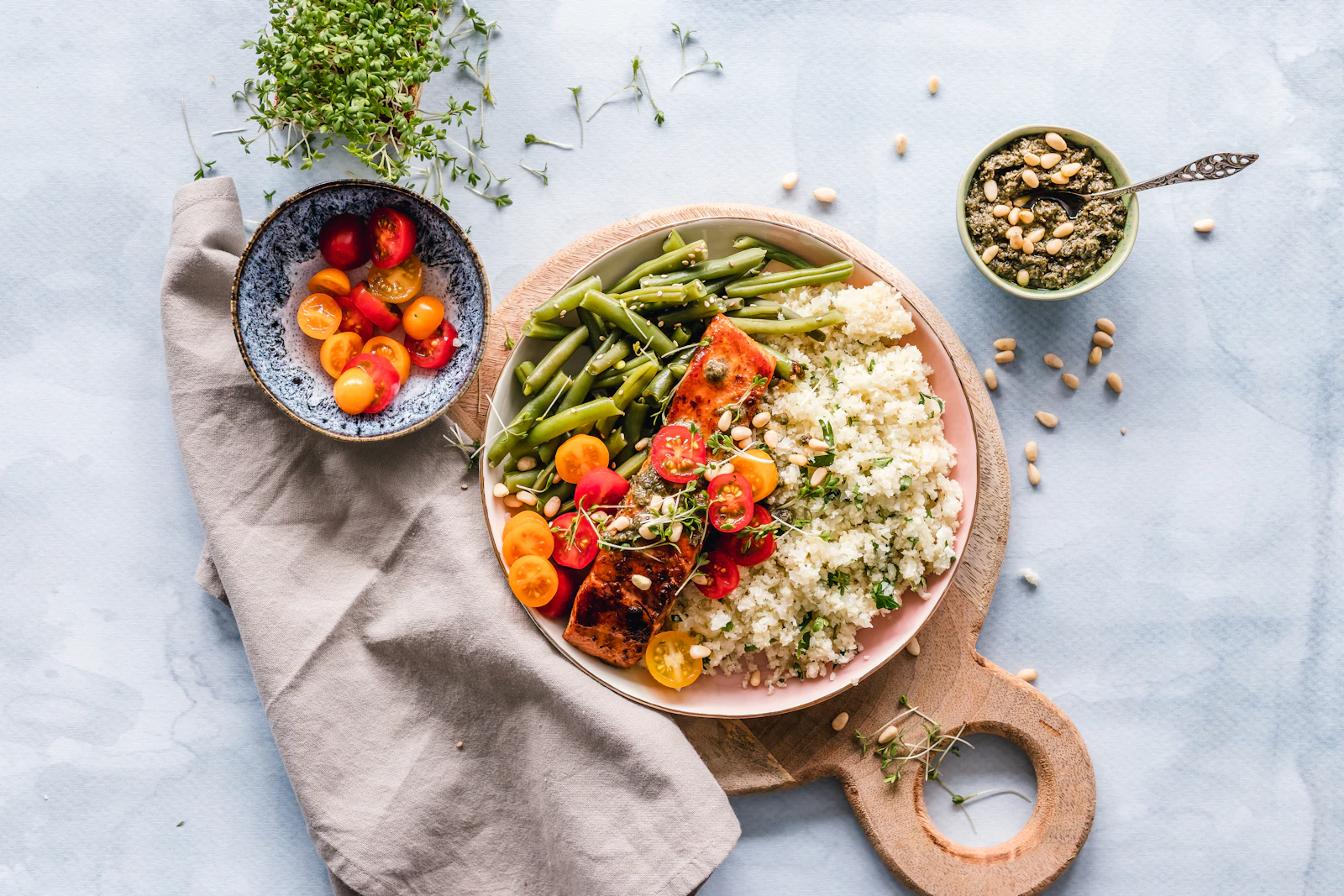
Not every dish improves with time. The safest and most pleasant meal-prep foods are those that hold their texture and tolerate reheating:
- Stews, curries, and braises. They often taste better on day two.
- Soups. Cool quickly, store in portions, and reheat thoroughly.
- Roasted vegetables. They soften but remain useful in bowls and wraps.
- Cooked grains. Cool quickly and refrigerate; use within a few days.
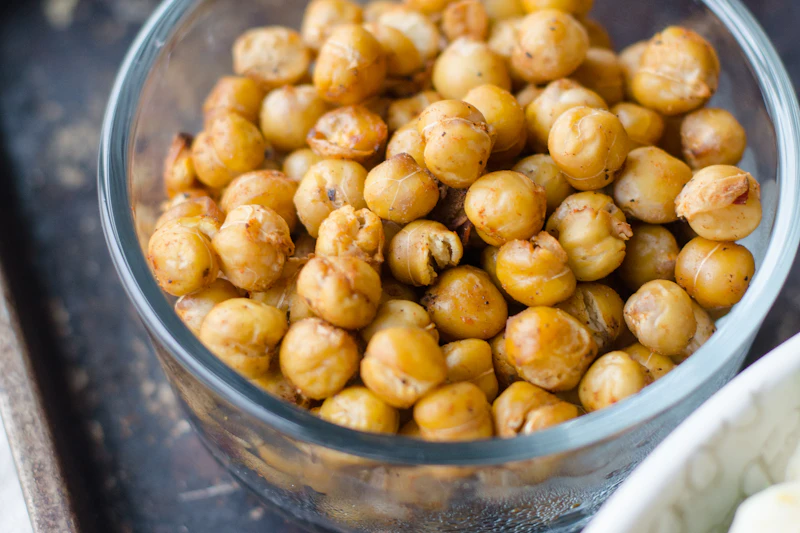
- Beans and lentils. Durable and forgiving.
- Cooked chicken or tofu. Store separately from wet ingredients if you want texture.
Dishes that are less reliable after five days include delicate salads, cut fruit, raw fish, and anything with a fresh dairy sauce. Those can still be part of your week, but they are better assembled closer to the day you eat them.
The rice exception
Cooked rice deserves special attention. It can contain spores of Bacillus cereus, which survive cooking and can produce toxins if the rice is left at room temperature. The risk is low, but the consequences can be unpleasant. Cool rice quickly, refrigerate it within two hours, and reheat it until steaming hot. Do not leave it out overnight, and do not keep it for more than a few days.
This does not mean rice is dangerous. It means rice is not a food to treat casually. The same applies to pasta and other cooked grains, though the risk is best documented for rice.
Reheating
Reheat leftovers until they are steaming hot throughout, not just warm at the edges. A microwave can heat unevenly, so stir halfway through and let the food stand for a minute. If you use a stove, bring soups and stews to a simmer. If you use an oven, give the food enough time to heat through.
You do not need to reheat everything. Some foods are better cold: yogurt, certain salads, and some grain bowls. The question is whether the food was kept cold and whether it is a dish that is safe to eat cold. When in doubt, reheat.
The containers matter
Use containers that are clean, airtight, and appropriate for the food. Glass is easy to clean and does not retain odors. Plastic is lighter and cheaper, but it can stain and warp. If you reheat in plastic, use containers labeled microwave-safe and avoid overheating.
Portion size matters too. A large container of food takes longer to cool and longer to reheat. Smaller portions are safer and more convenient. They also make it easier to take lunch to work without carrying a entire pot.
A five-day plan that works
A realistic week might look like this:
- Sunday: Cook a pot of lentils, roast a tray of vegetables, and make a batch of rice. Cool and refrigerate in separate containers.
- Monday: Eat lentils with rice and vegetables. Add a fresh topping.
- Tuesday: Use the same base with a different sauce or spice mix.
- Wednesday: Turn the lentils into a soup with stock and tomatoes.
- Thursday: Finish the vegetables in a frittata or a grain bowl.
- Friday: Use up the remaining rice and lentils, or freeze the portion you will not eat.
The point is not to eat the same meal five times. It is to prepare components that can become different meals. That is more interesting and safer, because you are not relying on one large container to last all week.
What to freeze
Freezing is underused in meal prep. Soups, stews, curries, and braised meats freeze well. Portion them before you get tired of them, label the container, and use them within a few months. Frozen food does not last forever, but it gives you a buffer for the week when plans change.
Do not freeze large amounts of food you are not sure you will eat. A freezer full of good intentions is still a freezer full of waste. Freeze what you know you will use, and keep the rest in the refrigerator for the next few days.
FAQ
How long can I keep meal prep in the refrigerator?
Most cooked dishes are best within three to four days. Some, such as soups and stews, can last up to four days if stored properly. If you need five days, freeze a portion rather than pushing the limit. When in doubt, throw it out.
Can I reheat food more than once?
It is better to reheat only the portion you are going to eat. Repeated heating and cooling gives bacteria more opportunities to grow and makes the food less appealing. If you have a large container, divide it before reheating.
Is it safe to eat cold meal prep?
Some foods are safe cold if they were cooked, cooled quickly, and kept refrigerated. Others are better reheated. The key is the food and the storage, not a single rule. If a dish contains cooked rice, meat, or eggs, reheating is the safer default.
What should I do if I forget to refrigerate food?
If cooked food has been at room temperature for more than two hours, discard it. Do not taste it to see if it is fine. Bacteria that cause foodborne illness do not always change the smell or taste. The cost of throwing it out is lower than the cost of being sick.
Sources
If you are building a cheaper prep routine, start with cheap protein foods that are worth buying. For the fiber side of the equation, see how to eat more fiber without feeling bloated. And if you struggle to drink enough during the day, hydration habits for a real workday is the next read.