Hydration is one of those topics that sounds simple until you try to do it. The standard advice is to drink eight glasses of water a day, or two liters, or half your body weight in ounces. The numbers are easy to repeat and hard to apply. They also ignore the fact that water comes from food, tea, coffee, and other drinks, and that your needs change with the weather, activity, and health.
The useful question is not “am I hitting a universal number?” It is “am I drinking enough for my body and my day?” For most healthy adults, that is a habit problem more than a knowledge problem.
What water actually does
Water is involved in almost every function in the body: temperature regulation, digestion, nutrient transport, joint lubrication, and waste removal. Mild dehydration can affect mood, concentration, and physical performance. Severe dehydration is a medical emergency.
But the body is also good at regulating water balance. Thirst is a useful signal, especially when you are not distracted. The problem is that modern workdays are full of distractions. We ignore thirst, drink coffee instead, and realize at 4 p.m. that we have had one glass of water since breakfast.
The eight-glass rule
The eight-glass rule is a rough average, not a law. It is easy to remember, which is why it persists. It also ignores body size, activity, climate, pregnancy, and diet.
A more flexible approach is to use urine color as a guide. Pale yellow is a reasonable sign of hydration. Dark yellow or amber suggests you could drink more. Clear urine may mean you are drinking more than you need. This is not a precise test, but it is more personal than a fixed number.
What counts as fluid
Water is the best default, but it is not the only fluid. Tea, coffee, milk, soup, and water-rich foods such as fruit and vegetables all contribute. Coffee is not dehydrating in the way people often claim; the diuretic effect is modest, especially if you drink it regularly.
Alcohol is different. It can increase fluid loss, and it is not a good hydration strategy. Sugary drinks provide fluid but also added sugar and calories. If you are choosing between a soft drink and water, water is usually the better default.
A workday routine
The most effective hydration habit is one that attaches to something you already do. Try these cues:
- On waking: Drink a glass of water while the kettle boils or the coffee brews.
- With meals: Put water on the table. It is easier to drink when it is visible.
- Between meetings: Take a few sips when you transition from one task to another.
- Before coffee: Drink a glass of water before your first coffee. It is a simple anchor.
- At the end of the day: Drink a glass while you prepare dinner.
The goal is not to chug water. It is to spread it out. Small, frequent amounts are easier to absorb and less likely to make you uncomfortable.
How much do you need?
For many healthy adults, about 1.5 to 2.5 liters of fluid per day is a reasonable range, including water from food and other drinks. People who are physically active, pregnant, breastfeeding, or living in hot climates may need more. People with certain medical conditions may need less.
The best guide is a combination of thirst, urine color, and how you feel. If you are thirsty, drink. If your urine is dark, drink more. If you have a headache, fatigue, or difficulty concentrating, consider whether you have had enough fluid.
Exercise and heat
When you sweat, you lose water and electrolytes. For moderate exercise, water is usually enough. For long or intense sessions, especially in heat, a drink with electrolytes can help. You do not need a sports drink for a 30-minute walk.
Weighing yourself before and after a long workout can give you a rough sense of fluid loss. For every kilogram lost, drink about 1.5 liters over the next few hours. This is a practical estimate, not a precise prescription.
Water and appetite
Thirst and hunger can feel similar. Sometimes a glass of water takes the edge off a craving; sometimes it does not. It is worth testing before you reach for a snack. If you are still hungry after water, eat something with protein and fiber. For snack ideas, see healthy afternoon snacks.
The bottle problem
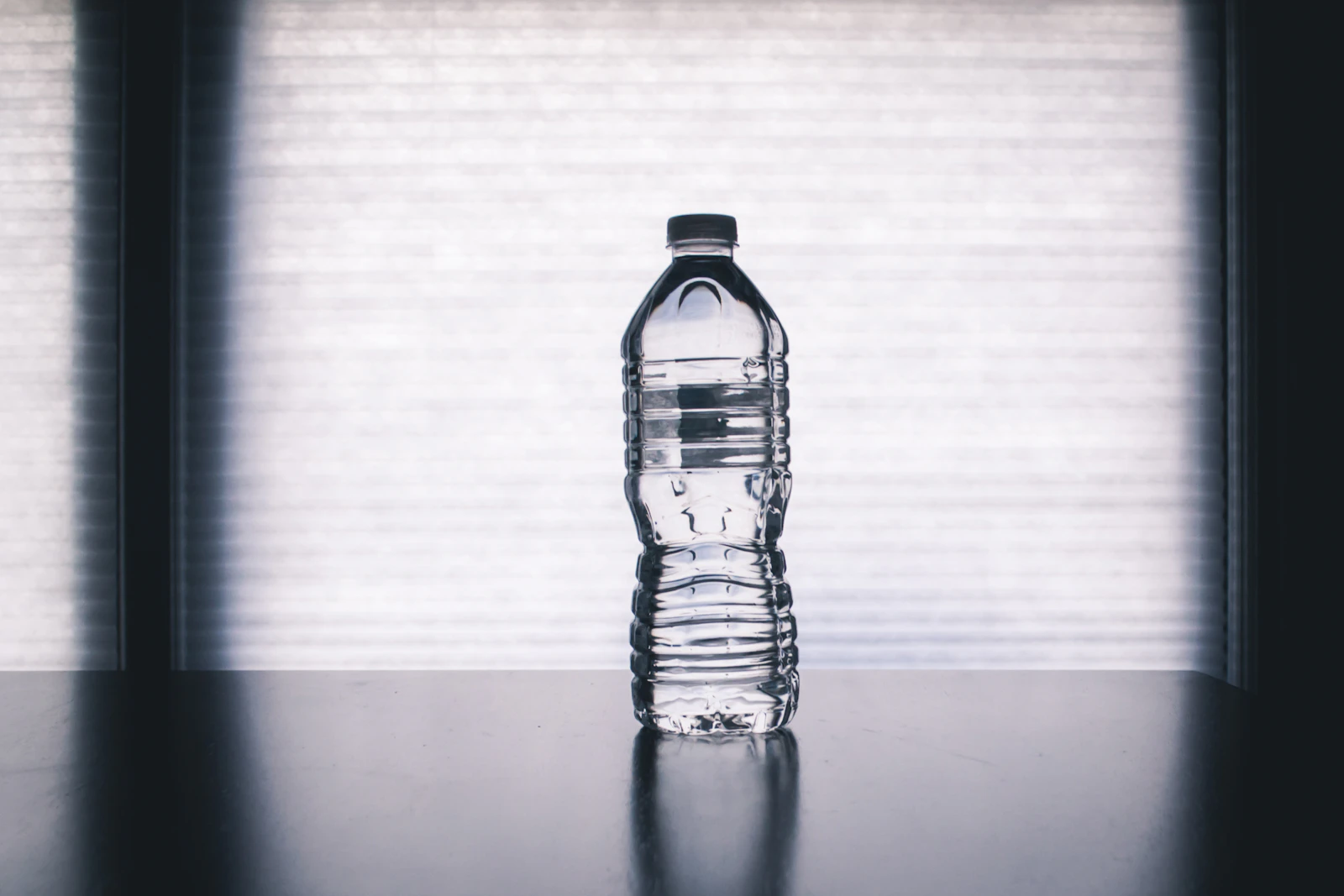
A large water bottle can be a useful reminder, but it can also become a chore. If you do not like carrying it, you will not use it. A smaller bottle that fits in your bag may be more effective than a one-liter bottle that stays on your desk.
The same goes for apps and trackers. If a reminder helps, use it. If it makes hydration feel like another task to fail at, drop it. The goal is a habit, not a performance.
When to be careful
Some people need to limit fluids, including people with heart failure, kidney disease, or certain electrolyte disorders. If you have a medical condition, ask your clinician about your fluid needs. Do not follow a general hydration rule without advice.
If you are vomiting, have diarrhea, or are sweating heavily, you may need more than water. Oral rehydration solutions can help replace electrolytes. Seek medical advice if symptoms are severe or persistent.
A realistic day
A hydrated day does not have to be complicated. It can look like this:
- A glass of water on waking.
- Water with breakfast and a cup of tea.
- A bottle on your desk, refilled once before lunch.
- Water with lunch and a glass in the afternoon.
- Water with dinner.
- Herbal tea in the evening.
That is not a protocol. It is a rhythm. The exact amount matters less than the habit of drinking regularly.
FAQ
Is eight glasses of water a day enough?
It is a reasonable rough target for many people, but it is not a universal rule. Needs vary with body size, activity, climate, diet, and health. Use thirst and urine color as additional guides.
Does coffee dehydrate you?
Coffee contributes to fluid intake. The diuretic effect is modest, especially for regular coffee drinkers. It is not a substitute for water, but it does not cancel your hydration.
Should I drink water before or after meals?
Either is fine. Some people find that drinking water before a meal helps with appetite awareness; others prefer to drink after. The best timing is the one you will repeat.
How can I remember to drink more water?
Attach it to existing habits: waking, meals, coffee, and transitions between tasks. Keep water visible. Use a bottle you like. If reminders help, use them, but do not let tracking become another source of stress.
Sources
- Harvard T.H. Chan School of Public Health: Water
- National Academies: Dietary reference intakes for water
- WHO: Water, sanitation and hygiene
If you are planning meals for the week, meal prep that stays safe until Friday includes practical storage advice. For a snack that supports hydration and satiety, see healthy afternoon snacks. And for the fiber side of the plate, read how to eat more fiber without feeling bloated.