The afternoon snack has a bad reputation. It is the handful of biscuits at the office, the bag of chips on the commute, the third coffee that is really a dessert. But the hunger that arrives at three or four in the afternoon is not a character flaw. It is a normal response to a long gap between lunch and dinner, and it is easier to plan for than to resist.
A useful afternoon snack does two things: it takes the edge off hunger without ruining dinner, and it gives you enough energy to finish the workday. That usually means protein, fiber, and a little fat. A snack made only of refined carbohydrate may feel good for twenty minutes and leave you hungrier an hour later.
Why the 3 p.m. gap happens
Most people eat lunch around noon and dinner around seven. That is a long stretch, especially if lunch was small or mostly refined starch. Blood sugar rises and falls, appetite hormones shift, and the brain starts looking for quick energy. The result is a strong pull toward something sweet or salty.
There is also a psychological component. The afternoon is often the most demanding part of the day. A snack is a small break, a reward, and a reason to stand up. That is not a weakness. It is a human response to a long day.
The anatomy of a snack that holds
A snack that holds you until dinner usually has:
- Protein: yogurt, cottage cheese, eggs, hummus, edamame, tuna, or leftover chicken.
- Fiber: fruit, vegetables, whole-grain crackers, oats, or popcorn.
- Fat: nuts, seeds, avocado, olive oil, or the fat already in dairy and eggs.
The combination matters more than the specific food. An apple alone is a fine snack, but it is mostly carbohydrate and water. An apple with a spoonful of peanut butter is a different experience. A handful of crackers is easy to eat quickly; crackers with cheese and tomato take longer and provide more nutrients.
Five snacks that work
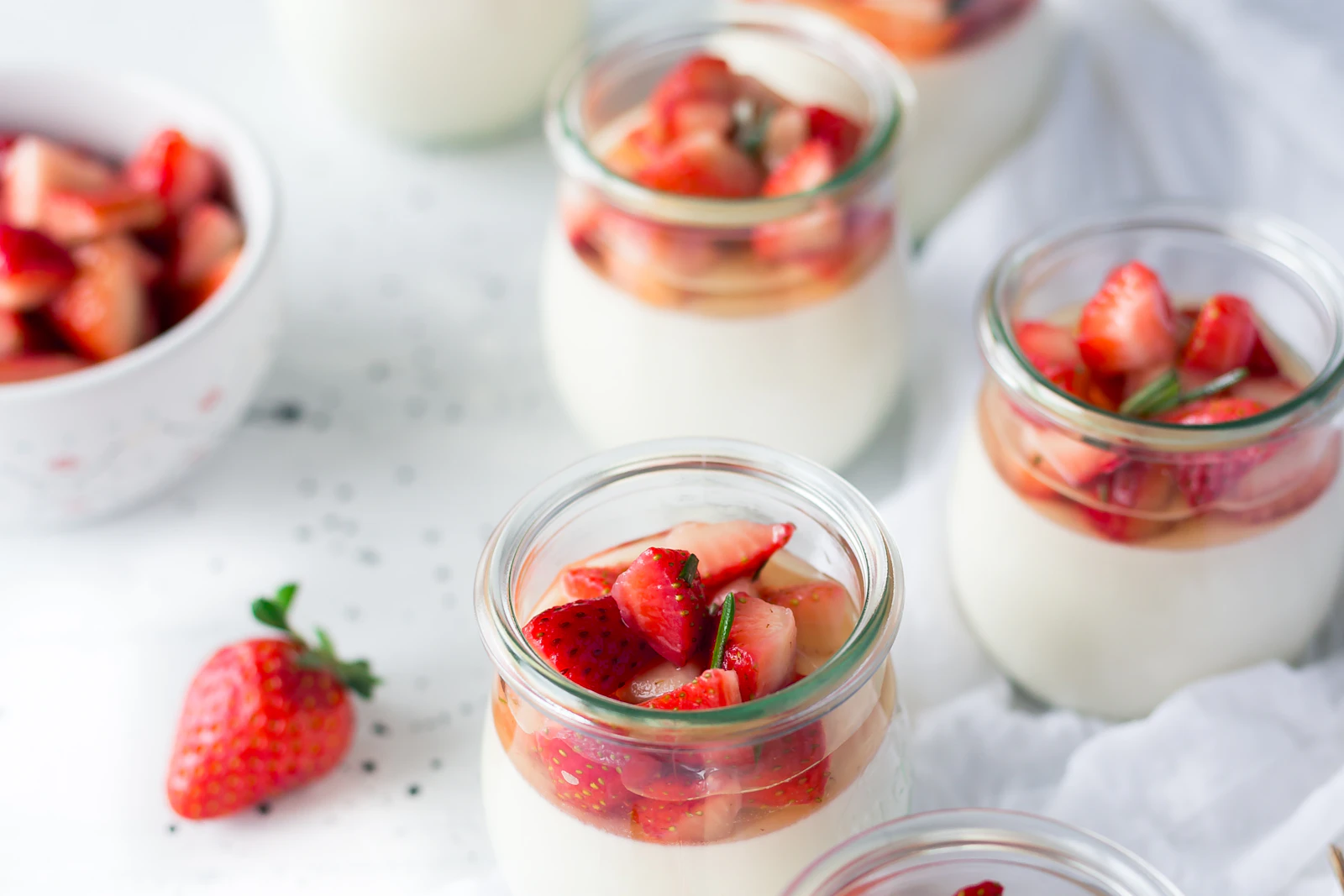
Greek yogurt with berries and walnuts. High in protein, with fiber from the berries and fat from the walnuts. Choose plain yogurt and add your own fruit to control the sugar.
Hummus with vegetables and whole-grain crackers. Protein and fiber from the chickpeas, volume from the vegetables, and crunch from the crackers. It is also easy to prepare in advance.
A boiled egg with an orange. Simple, portable, and satisfying. The egg provides protein and fat; the orange provides vitamin C and fiber. This is a good option if you do not have a refrigerator at work.
Edamame with a little salt. A cup of edamame has protein and fiber, and it takes time to eat. The podding is part of the point: it slows the snack down.
Cottage cheese with cucumber and black pepper. High in protein, low in effort, and savory enough to feel like a real snack rather than a compromise.
Snacks that tend to fail
Some snacks are not bad, but they are easy to overeat or too small to matter:
- A single biscuit or cookie. It is a treat, not a snack. If you are hungry, it will not hold.
- A fruit smoothie with no protein. It can be a lot of sugar and liquid without much staying power.
- Chips or crackers on their own. Refined starch and salt are designed to be eaten quickly.
- A second coffee. Caffeine can suppress appetite for a while, but it does not solve the underlying hunger.
The point is not to ban these foods. It is to notice when they are doing a job they cannot do. If you want a biscuit, eat a biscuit. If you want a snack that holds until dinner, choose a different combination.
Portion size
A snack is not a meal, but it is also not a token. A useful portion is enough to take the edge off hunger, not enough to make you feel full and sluggish. For many people, that is 150 to 250 calories, with at least 10 grams of protein.
If you are very active, pregnant, or eating on a restricted schedule, you may need more. If you are not hungry, you do not need to snack. The goal is to respond to hunger, not to a rule.
Planning for the gap
The easiest way to improve your afternoon snack is to make it available. If the only food at work is in a vending machine, that is what you will eat. A small amount of planning changes the default:
- Keep yogurt, fruit, and nuts at work.
- Pack a snack with lunch.
- Prepare boiled eggs or cut vegetables on Sunday.
- Keep a shelf-stable option in your bag, such as roasted chickpeas or a nut bar.
This is not about willpower. It is about making the better choice the easier choice.
Snacks and dinner
A good snack should not ruin dinner. If you eat a large snack at four and then do not want dinner at seven, the snack was probably too big or too close to the meal. If you eat a small snack and are still hungry at dinner, it was probably too small.
The timing matters too. A snack at three is different from a snack at five. If dinner is late, you may need a more substantial snack. If dinner is soon, a smaller option is enough.
A note on “healthy” snack bars
Snack bars are convenient, but they are not all equal. Many are high in sugar and low in protein. A bar with 10 grams of protein and 5 grams of fiber is more useful than a bar with 20 grams of sugar and a long ingredient list. Read the label and compare.
That said, a snack bar you actually carry is better than a perfect snack you leave at home. Convenience is a real nutrient.
FAQ
What is the best afternoon snack?
There is no single best snack. A combination of protein, fiber, and fat works for most people. Greek yogurt with fruit and nuts, hummus with vegetables, or a boiled egg with an orange are reliable options.
Should I eat a snack if I am not hungry?
No. Snacking is not mandatory. If you are not hungry and dinner is soon, you can skip it. The goal is to respond to your body, not to a schedule.
Are fruit and nuts enough?
They can be, especially if the portion is adequate. Fruit provides fiber and carbohydrate; nuts provide fat and some protein. If you need more protein, add yogurt, cottage cheese, or an egg.
How do I stop overeating snacks?
Make the snack a planned portion rather than an open bag. Put the amount you want on a plate or in a bowl, and put the rest away. Eat slowly enough to notice fullness. If you are still hungry, add a protein or fiber source rather than more refined starch.
Sources
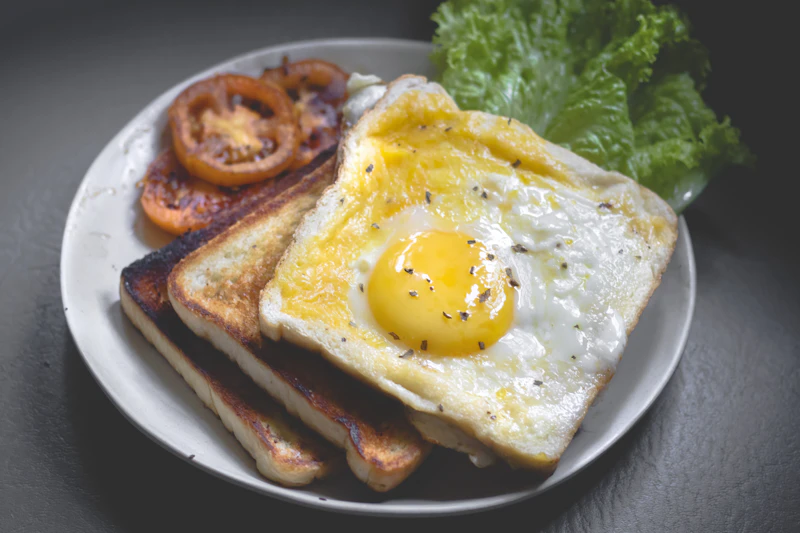
If breakfast is the meal that sets up your afternoon, read a protein-forward breakfast that actually keeps you full. For the fiber piece, see how to eat more fiber without feeling bloated. And if you often mistake thirst for hunger, hydration habits that fit a real workday is worth a look.