Fiber has a reputation problem. It is sold as a remedy for everything from constipation to cholesterol, and the standard advice is to eat more. Then people add a bowl of bran, a handful of supplements, and a lot of raw vegetables in the same week, and wonder why their stomach feels like it has a second opinion.
The problem is usually pace. Fiber is fermented by gut bacteria, and a sudden increase gives those bacteria a lot of new material to work with. Gas, bloating, and cramping are common during the transition. That does not mean fiber is bad for you. It means the change was too fast, too large, or too one-sided.
What fiber actually is
Fiber is the part of plant food that human enzymes cannot fully break down. It passes through the small intestine and reaches the colon, where some types are fermented by bacteria. Different fibers do different things. Soluble fiber, found in oats, barley, beans, apples, and psyllium, can form a gel that slows digestion and softens stool. Insoluble fiber, found in wheat bran, vegetables, and nuts, adds bulk and helps move things along.
Most whole plant foods contain a mix. That is one reason food is a better starting point than a single isolated fiber. A bean has soluble and insoluble fiber, plus protein, potassium, and other compounds. A supplement can be useful in specific situations, but it is not a replacement for variety.
Why the first week feels worse
When you eat more fiber, you are also feeding the bacteria in your colon. They produce gas as they ferment it. Some gas is normal. A lot of gas, especially with pain or a distended belly, is a sign that the change was too aggressive.
There is also a mechanical issue. Fiber holds water. If you increase fiber without increasing fluids, stool can become harder rather than softer. The combination of more fiber and not enough water is a common reason people feel worse, not better.
And then there is the raw vegetable trap. A large salad is not automatically the gentlest way to add fiber. Raw vegetables can be harder to tolerate than cooked ones, especially for people with sensitive guts. Cooking changes the structure of plant cell walls and can make some fibers easier to handle.
The gradual approach
Start with one fiber-rich food at one meal. Add it for a week. Then add another. This sounds slow, but it gives your gut time to adapt and gives you a clearer signal about what works.
A useful sequence:
- Week one: Add a serving of oats, beans, or fruit to breakfast. Keep the rest of your diet the same.
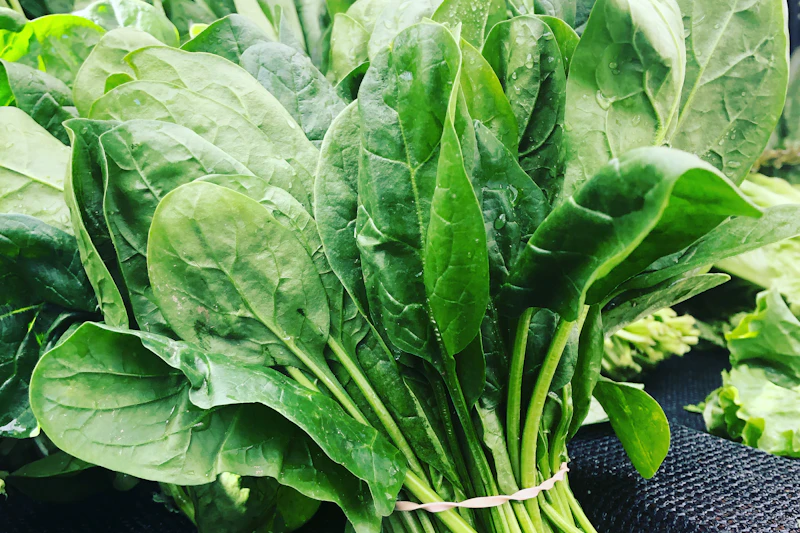
- Week two: Add a cooked vegetable to lunch or dinner. Cooked carrots, zucchini, spinach, or green beans are gentle starting points.
- Week three: Add a second serving of legumes or whole grains. Lentils, chickpeas, and black beans are good options if you tolerate them.
- Week four: Review. If you feel good, keep going. If you feel bloated, hold at the current amount for another week before adding more.
The target for most adults is around 25 to 30 grams of fiber per day, but that is a population recommendation, not a personal prescription. Some people feel better at a lower amount. Others need more. The right amount is the amount you can sustain without discomfort.
Hydration is part of the plan
Fiber without water is like a sponge without a sink. As you increase fiber, increase fluids gradually too. Water, tea, and soups all count. If you are not used to drinking much during the day, attach a glass of water to a meal or a medication rather than relying on thirst.
Alcohol and very salty meals can make dehydration worse. If you are increasing fiber and also drinking less water than usual, the result can be hard, uncomfortable stools. This is not a reason to abandon fiber. It is a reason to pair the change with a glass of water.
The foods that do the most work
You do not need a long list. A small number of foods, eaten regularly, can close most of the gap:
- Oats. Soluble fiber, easy to prepare, and versatile.
- Beans and lentils. Fiber plus protein, and one of the cheapest ways to improve a meal.
- Fruit with the skin. Apples, pears, berries, and oranges.
- Cooked vegetables. Broccoli, carrots, zucchini, spinach, and green beans.
- Nuts and seeds. Small portions, but a useful addition to yogurt or oats.
If you want to increase fiber without increasing volume too much, beans and oats are efficient. If you want to increase variety, rotate the vegetables and fruits you already like. The best fiber is the fiber you will eat again next week.
When to be more careful
Some people need a more cautious approach: those with irritable bowel syndrome, a history of bowel obstruction, or a recent abdominal surgery. If you have a diagnosed digestive condition, work with a clinician or dietitian rather than following a general article. The same advice does not fit every gut.
If bloating is severe, painful, or accompanied by vomiting, constipation that does not resolve, or blood in the stool, seek medical care. Those are not normal adjustment symptoms.
A realistic day
A day of fiber does not have to look like a wellness blog. It can look like this:
- Breakfast: oats with milk, berries, and a spoonful of peanut butter.
- Lunch: leftover rice with beans, tomatoes, and a little cheese.
- Snack: an apple and a handful of almonds.
- Dinner: pasta with lentils and cooked vegetables.
That is not perfect, and it does not need to be. It is a day with several sources of fiber, enough fluid, and food that a real person would eat. For a protein-forward start, see our guide to a high-protein breakfast. If you are plant-based, our article on plant-based iron absorption explains how to pair fiber-rich meals with iron.
FAQ
How long does it take to adjust to more fiber?
Many people notice less bloating within one to two weeks if they increase gradually. Some need longer. If symptoms are getting worse rather than better, reduce the amount and try a different source. Patience is part of the method.
Do I need a fiber supplement?
Most people do not. Food provides fiber plus other nutrients and compounds. A supplement can be useful for a specific medical reason or when food intake is limited, but it is not the first step. Talk to a clinician if you are unsure.
Is a high-fiber diet bad for mineral absorption?
Some fibers can bind minerals, but the effect depends on the type and the overall diet. For most people, a varied diet with enough minerals is not a problem. If you have a diagnosed deficiency or take medication that affects absorption, ask a clinician.
Can I eat too much fiber?
Yes. Very high intakes can cause gas, bloating, and loose stools, and can make it harder to eat enough energy and protein. More is not always better. Aim for a sustainable amount, not the highest number on a label.
Sources
If your week is tight, the next useful step may be meal prep that stays safe until Friday. For a snack that supports fiber rather than replacing it, see healthy afternoon snacks.