Iron is one of the nutrients that makes plant-based eating feel more complicated than it needs to be. The usual warning is that plant iron is less well absorbed than iron from meat. That is true. It is also incomplete. Absorption depends on the food, the meal, your body’s needs, and what else is on the plate.
If you eat plant-based or mostly plant-based, you do not need to obsess over every milligram. You do need to know a few practical combinations, and you need to eat enough total iron. The rest is repetition.
Two kinds of iron
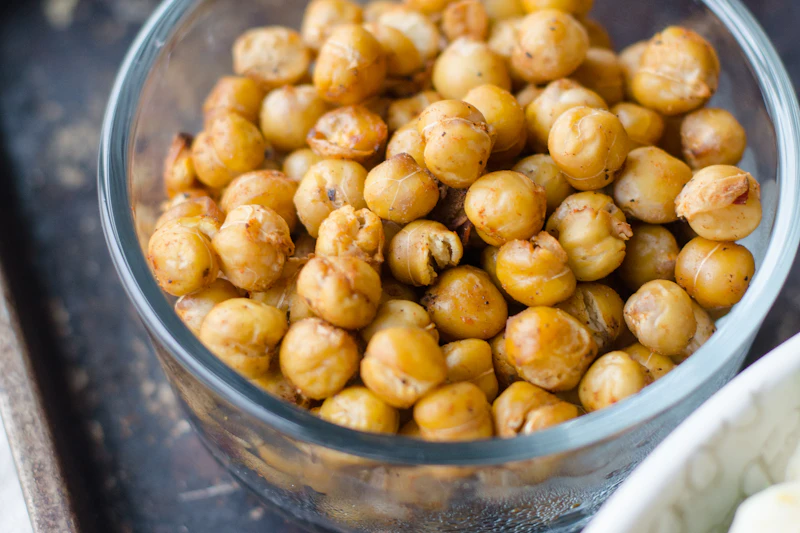
Iron in food comes in two forms. Heme iron is found in animal foods, especially red meat, poultry, and fish. It is absorbed relatively efficiently. Non-heme iron is found in plant foods: beans, lentils, tofu, spinach, oats, nuts, seeds, and fortified cereals. It is absorbed less efficiently, and its absorption is more sensitive to other compounds in the meal.
This does not mean plant iron is useless. It means the dose may need to be larger, and the meal may need a little help. People who eat plant-based diets often adapt by absorbing more iron over time, but the adaptation is not unlimited. Total intake still matters.
What helps absorption
The most useful partner for non-heme iron is vitamin C. A source of vitamin C in the same meal can increase absorption substantially. That can be as simple as citrus, bell pepper, tomato, broccoli, cabbage, or a squeeze of lemon.
Other helpful factors include:
- Cooking in cast iron. Acidic foods cooked in cast iron can pick up small amounts of iron.
- Soaking and sprouting. These can reduce phytates, compounds that bind iron and other minerals.
- Fermenting. Sourdough fermentation can reduce phytate in bread.
- Eating iron-rich foods regularly. Consistency matters more than a single perfect meal.
The classic combination is lentils with tomatoes, beans with bell pepper, or tofu with broccoli. These are not special health foods. They are ordinary meals that happen to work well.
What gets in the way
Several compounds reduce non-heme iron absorption:
- Phytates. Found in whole grains, legumes, nuts, and seeds.
- Polyphenols. Found in tea, coffee, cocoa, and some herbs.
- Calcium. Found in dairy and fortified plant milks.
This does not mean you should avoid these foods. They are part of a healthy diet. It means timing can help. If you drink tea or coffee with every meal, try moving it between meals. If you take a calcium supplement, take it at a different time from your iron-rich meal. If you eat a lot of whole grains and legumes, pair them with vitamin C and accept that some iron will not be absorbed.
How much iron do you need?
Iron needs vary by age, sex, and life stage. Menstruating women need more than men. Pregnancy increases needs substantially. The recommended amounts in many countries range from about 8 to 18 milligrams per day for adults, with higher targets during pregnancy.
Plant-based eaters are often advised to aim for about 1.8 times the standard recommendation because of lower absorption. That is a rough adjustment, not a precise prescription. If you are concerned about deficiency, a blood test is more useful than guessing.
Signs of low iron
Iron deficiency can develop slowly. Common signs include fatigue, weakness, shortness of breath, pale skin, headaches, and difficulty concentrating. These symptoms are not specific to iron, which is why a clinician should check rather than assume.
If you are plant-based, tired, and unsure, ask for a blood test. Do not take a high-dose supplement without advice. Iron supplements can cause constipation and other side effects, and too much iron is harmful.
A practical day
A plant-based day that supports iron might look like this:
- Breakfast: oats with fortified plant milk, berries, and pumpkin seeds.
- Lunch: lentil salad with tomatoes, bell pepper, and lemon.
- Snack: hummus with whole-grain crackers and orange slices.
- Dinner: tofu stir-fry with broccoli and brown rice.
That day includes several iron sources, vitamin C, and enough total food. It is not a laboratory protocol. It is a day of meals that a person might actually eat.
Supplements and fortified foods
Fortified cereals, plant milks, and meat alternatives can be useful sources of iron. Check the label. A fortified cereal with 4 to 8 milligrams per serving can make a real difference. So can a fortified plant milk.
Supplements are useful when diet alone is not enough, but they should be guided by a clinician. If you take iron with vitamin C and on an empty stomach, absorption may improve, but tolerance matters. Some people do better with a lower dose taken with food.
The bigger picture
Iron is one nutrient among many. A plant-based diet that is varied, adequate in energy, and rich in legumes, whole grains, vegetables, fruit, nuts, and seeds is likely to provide enough iron for many people. The risk is highest when the diet is restrictive, low in calories, or built mostly around refined foods.
If you are new to plant-based eating, focus on regular meals with a protein source, a whole grain, and a vegetable. Add vitamin C when you can. Do not let the perfect combination stop you from eating.
FAQ
Is plant iron enough without supplements?
For many people, yes, if the diet is varied and contains enough iron-rich foods. People with higher needs, such as menstruating women, pregnant people, and frequent blood donors, may need supplements or fortified foods. A blood test can tell you where you stand.
Does coffee really block iron?
Coffee and tea contain polyphenols that can reduce non-heme iron absorption when consumed with a meal. The effect is modest but real. If you are trying to improve iron status, drink coffee or tea between meals rather than with your main iron-rich meal.
Can I get iron from spinach?
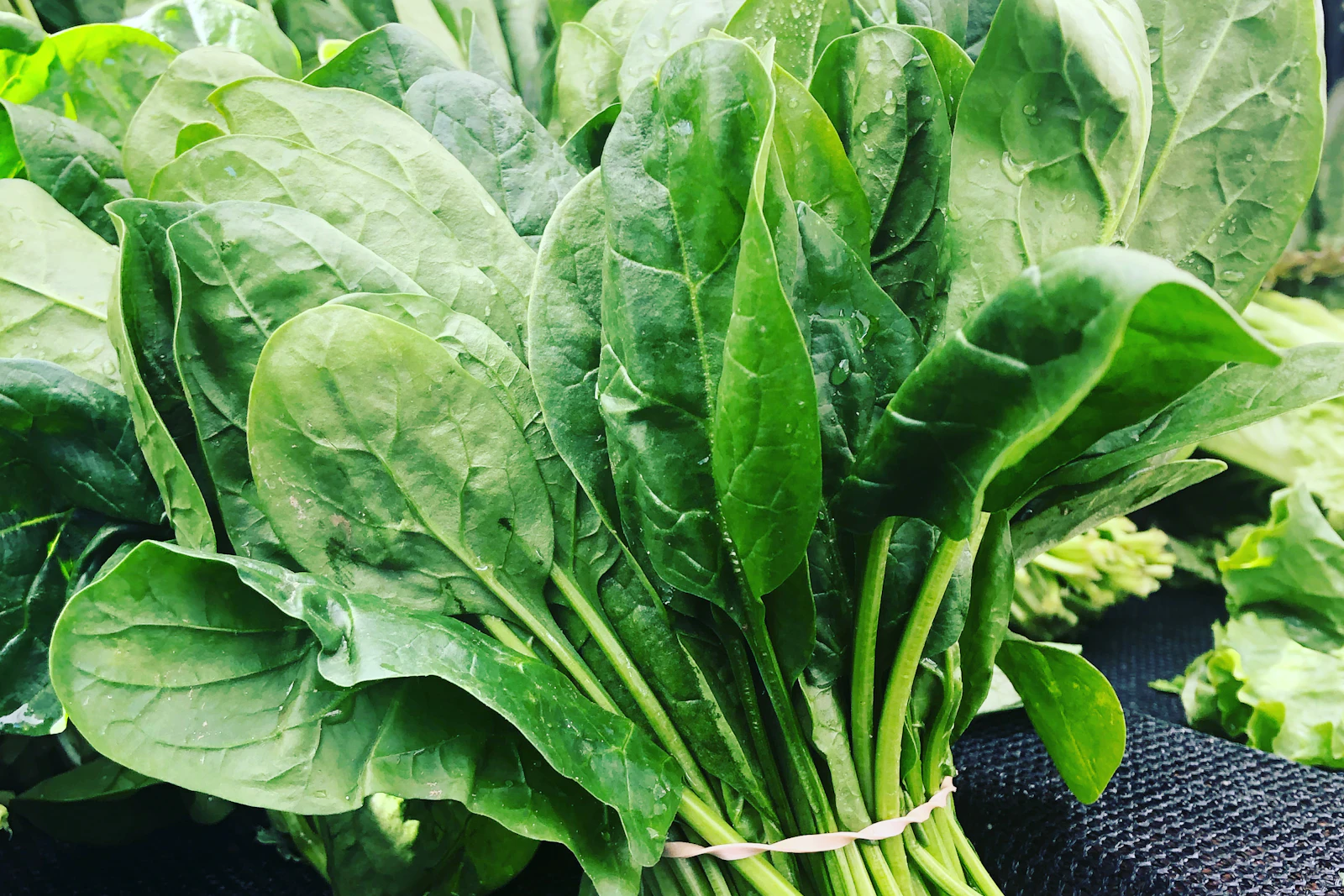
Spinach contains iron, but it also contains oxalates and phytates that reduce absorption. It is a useful food, not a reliable iron supplement on its own. Pair it with vitamin C and include other iron sources such as lentils, beans, tofu, and fortified foods.
Do I need to combine foods at every meal?
No. The body can use iron from different meals across the day. Aim for a generally iron-friendly pattern: iron-rich foods, vitamin C, and moderate tea or coffee around meals. Perfect pairing at every meal is not necessary.
Sources
- Harvard T.H. Chan School of Public Health: Iron
- National Institutes of Health: Iron fact sheet
- WHO: Anaemia
If you are building plant-based meals on a budget, see cheap protein foods that are worth buying. For the fiber side of the plate, read how to eat more fiber without feeling bloated. And for an afternoon snack that supports the plan, try healthy afternoon snacks.